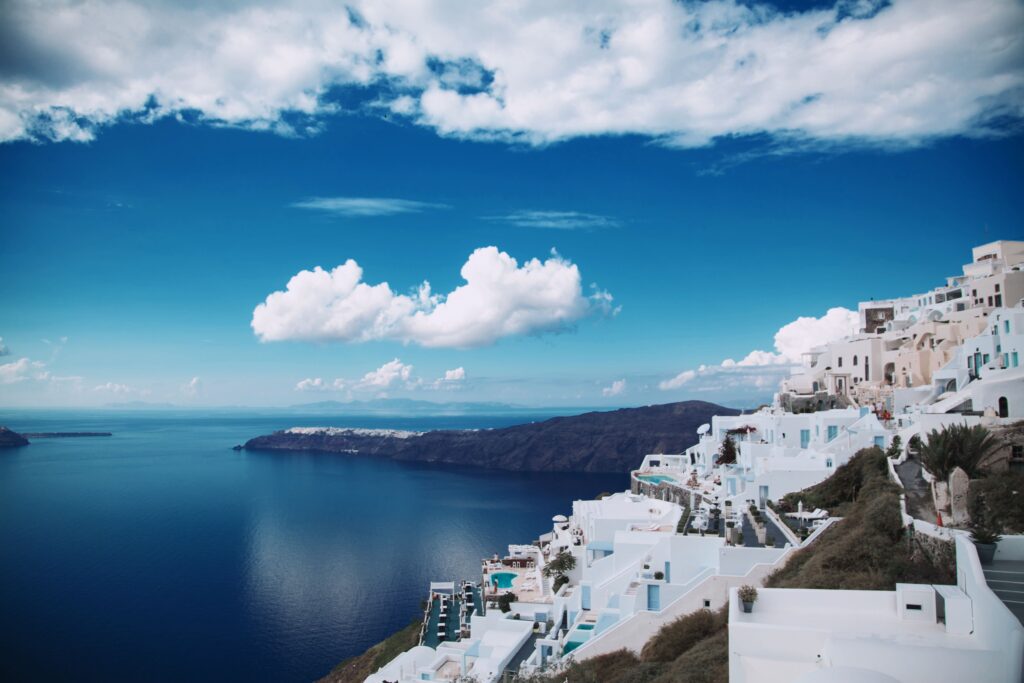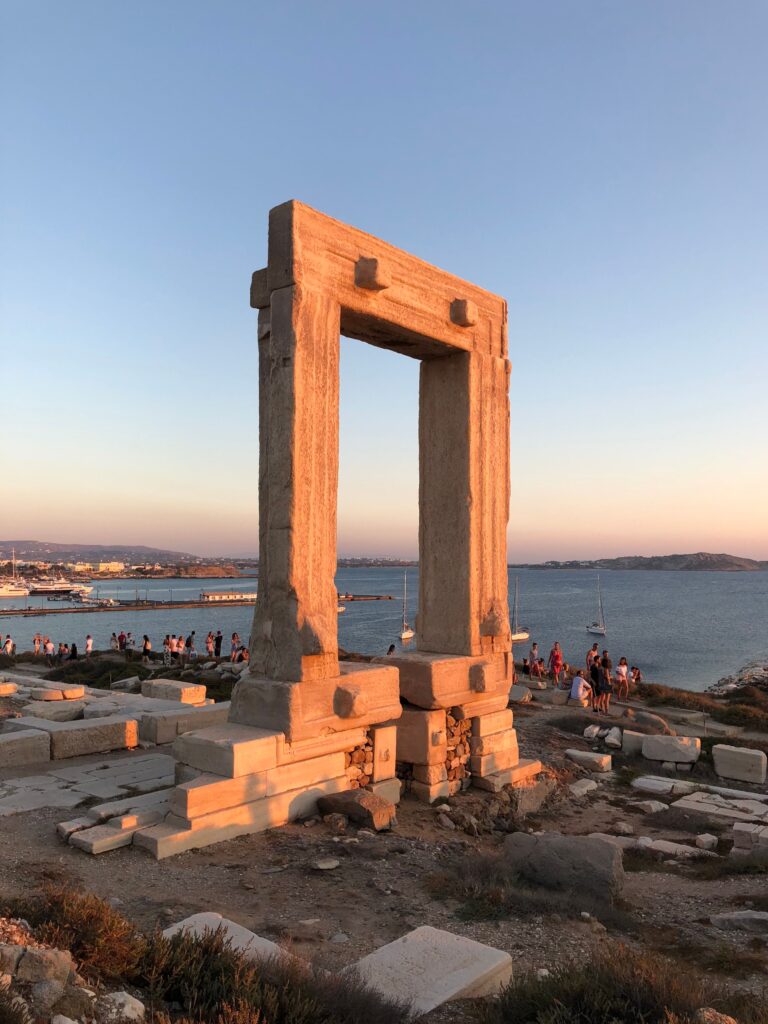
Greece is often imagined as an island escape, but the best first trip usually balances Athens, the sea, and at least a little mainland context. Ancient temples, neighborhood tavernas, ferry ports, mountain roads, beach towns, and whitewashed villages all belong to the same travel story. It is a destination that can be simple and sunlit, but also deep, historic, and surprisingly varied.
Where to start
Athens is the obvious gateway and deserves more than a quick transit night. The Acropolis, central markets, rooftop views, contemporary galleries, and neighborhoods such as Plaka, Koukaki, Pangrati, and Exarchia give the capital real texture. From there, first-time visitors often choose the Cyclades, Crete, the Saronic Islands, the Peloponnese, Meteora, or Thessaloniki depending on season and travel style.
What Greece does best
Greece is built for long meals, ferry arrivals, archaeological sites, and days that move between sea and stone. Santorini and Mykonos are famous, but islands such as Naxos, Paros, Syros, Milos, Hydra, Corfu, Rhodes, and Crete can be more satisfying for longer stays. On the mainland, Delphi, Nafplio, Mani, Zagori, Mount Pelion, and Meteora show how much Greece offers beyond the beach.
Planning notes
Ferries shape island routes, so avoid trying to cover too many islands in one week. Shoulder season is ideal for culture, food, walking, and comfortable weather. July and August bring heat, crowds, and higher prices, but they also bring the full summer energy of the islands. For a first trip, Athens plus two islands or Athens plus one island and one mainland region is usually stronger than a rushed checklist.