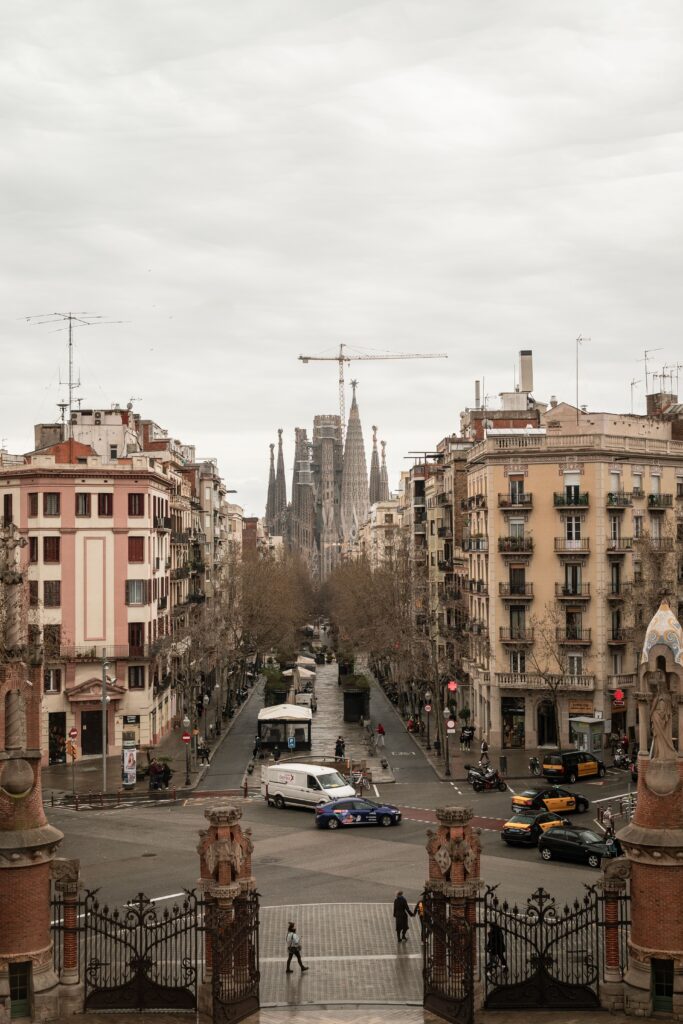
Spain is not one single travel mood. It is Madrid’s art museums and tapas bars, Barcelona’s architecture and beaches, Seville’s orange trees and flamenco, San Sebastian’s pintxos, Granada’s Alhambra, island villages, mountain routes, and long evenings that begin later than many visitors expect. A first trip works best when it respects Spain’s regional variety instead of treating the country as one checklist.
Where to start
Madrid is the strongest central base for museums, food, nightlife, and day trips to Toledo or Segovia. Barcelona brings Gaudi architecture, Mediterranean energy, design, and easy coastal access. Andalusia is ideal for a more atmospheric route through Seville, Cordoba, Granada, and Malaga. Northern Spain offers a cooler, greener trip through Bilbao, San Sebastian, Galicia, and the Camino towns.
What Spain does best
Spain is excellent for city-to-city travel, especially by high-speed train. It also rewards travelers who build days around food: markets, tapas, pintxos, seafood, vermouth, churros, regional wines, and relaxed late dinners. The architecture shifts dramatically by region, from Moorish palaces and Gothic quarters to modernist buildings and whitewashed villages.
Planning notes
Summer heat can be intense inland, especially in Andalusia and Madrid, while the coast and islands are busiest in July and August. Spring and autumn are the easiest seasons for a balanced first visit. In one week, choose Madrid plus Barcelona or an Andalusia route; with two weeks, combine Madrid, Barcelona, and a focused regional extension without rushing.